1. Stay out and call
Keep everyone out of the space and do not touch what you see. The team asks a few questions to plan the job.
Lakeport, TX · Gregg County
Worried about what a few pipes and baggies might have left on the floors and furniture? Call (877) 812-4220 in Lakeport. Cleanup crews remove the items and treat surfaces where residue may remain.
If anyone is in danger, call 911 first. For a suicide crisis, call or text 988.
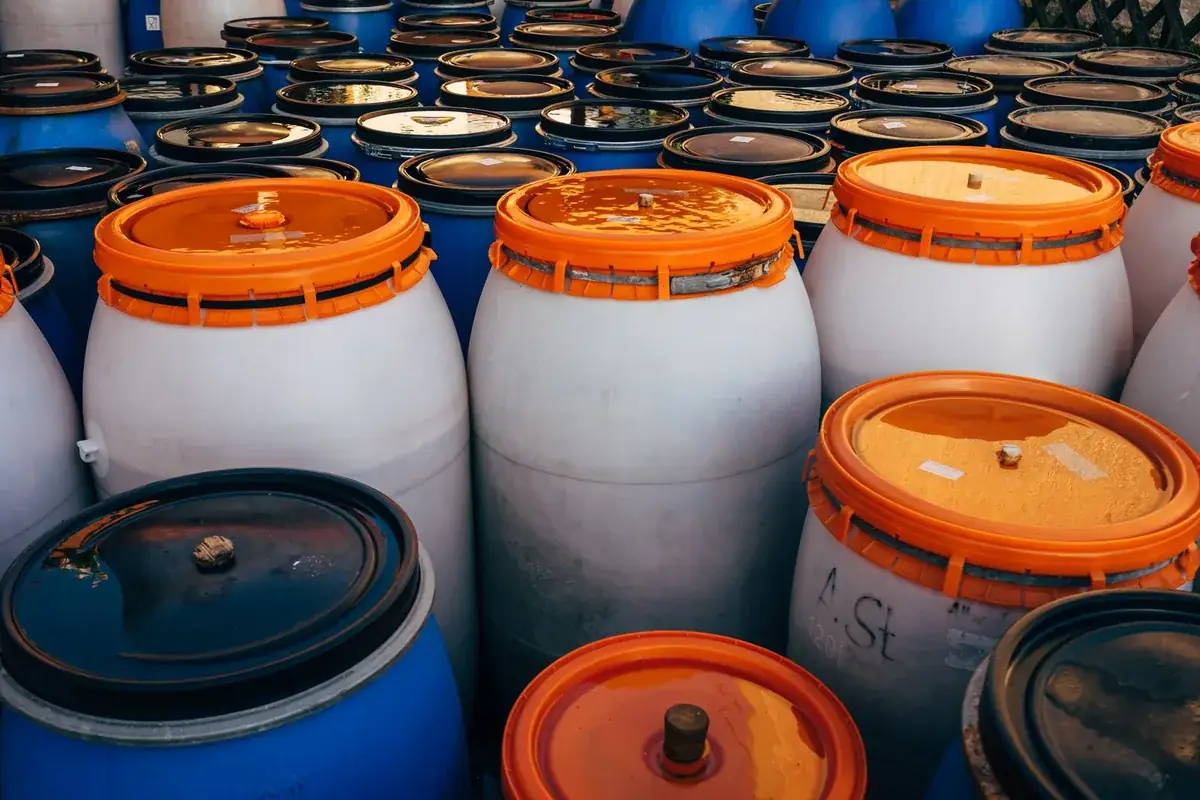
Paraphernalia removal is the first half of a drug use cleanup. Sharps go into puncture-resistant containers, other items are bagged and sealed, and everything is taken away as regulated waste.
If you are a landlord, property manager or family member in Lakeport facing items left behind after drug use, call Lakeport Biohazard Cleanup Help. The crew is discreet, explains each step and leaves your property clean and checked across Gregg County.
If a tenant or neighbor in Gregg County complains about conditions, the Gregg County Health Department may be involved. A cleanup team does the physical work. After an investigation in Gregg County, the Gregg County Sheriff's Office does not usually clean the space. The owner or family books the cleanup once the property is released.
What drug paraphernalia cleanup covers:
Keep everyone out of the space and do not touch what you see. The team asks a few questions to plan the job.
Cleanup technicians use puncture-resistant gloves and tools. Unknown powders are never swept or vacuumed dry.
Items are lifted with tools into labeled containers. Soft materials that cannot be cleaned are removed and bagged.
The space is checked once more, and the crew answers questions before leaving.
The cost of drug paraphernalia cleanup in Lakeport, TX depends on the amount of material, how it is packed and how it is hauled.
Odor treatment adds work when smells have settled into fabric, walls or air systems.
| Type of job | Typical range |
|---|
Published ranges only (); every drug paraphernalia cleanup job in Lakeport is priced after an on-site look. Price drivers include amount of material, whether residue is present, surfaces affected, waste disposal. Questions? Call (877) 812-4220.
The owner of the property usually pays at first. Lease terms and local law decide who is responsible in the end. A landlord, an attorney or a tenant rights group can say. Keep any record the cleanup team gives you, since a landlord or insurer may ask for it.
A careful cleanup removes the items and cleans the surfaces it covers. Testing is a separate step, and rules vary by place. Ask the team what it did and did not check, and ask the local health department what applies where you live.
Often, yes. Many teams can arrive in an unmarked vehicle and work quietly. If privacy matters, ask about it when you call. The crew shares only what it needs to plan the work.
A single room can be cleared quickly, while a house with hidden items, soiled carpet and odor takes longer. The time depends on the amount of material and access. A team can give a realistic idea after hearing the details.
Sometimes. Some homeowners and renters policies cover cleanup after a covered event, and some limit or exclude claims tied to illegal activity. Check your policy, call your insurance company before work starts, take photos if you can, and keep every receipt.
Loose syringes should never go in household trash, because they can stab sanitation workers. Other items may carry residue. A cleanup team seals and disposes of everything the safe way.
Crews work without judgment and focus on making the space safe.
Call (877) 812-4220